
AI Generated More Code. It Didn’t Generate More Decisions.
An AI-enabled developer can generate 10x more code in seconds. Requirements are drafted automatically. Test cases appear instantly. Documentation updates itself. Infrastructure templates can be created from natural language prompts.
Unfortunately, managers, architects, security reviewers, compliance officers, and product owners did not become 10x faster.
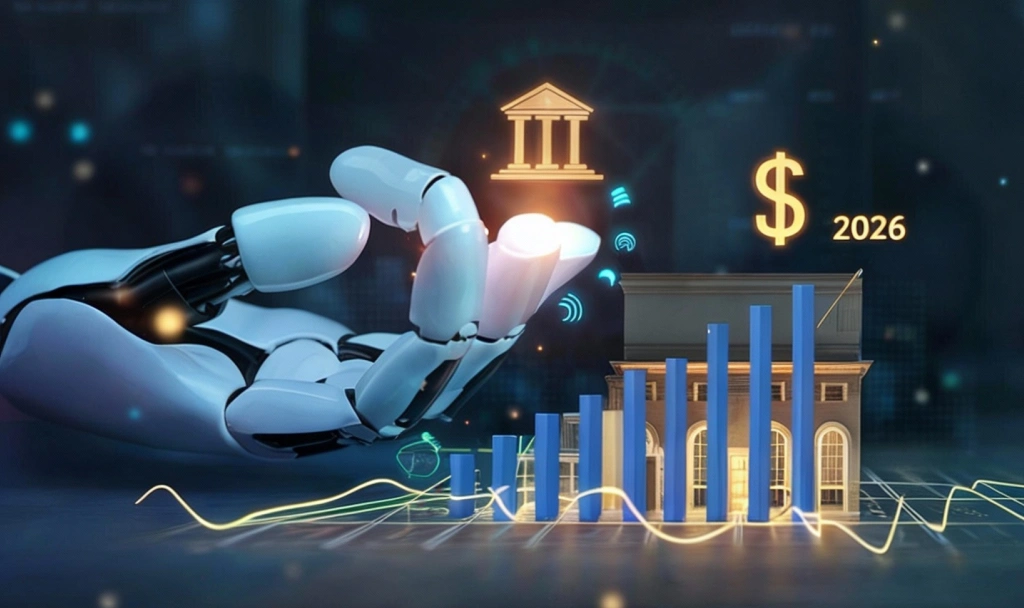
The bottleneck simply shifted from production to validation and decision-making.
Unfortunately, managers, architects, security reviewers, compliance officers, and product owners did not become 10x faster.
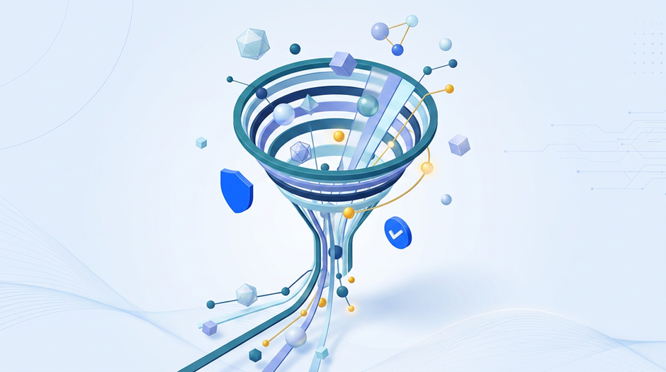
Instead of waiting for creation, teams are now waiting for review, validation, approval, and decision-making.
Yet most organizations are still operating with governance models designed when humans were the primary producers of software. Their usual response to adding more AI tools is not working. The problem lies with the human-centric SDLC being used in a world where machines generate most of the work.
The organizations achieving meaningful gains are doing something much bigger:
They are redesigning the Software Development Life Cycle itself.
The Shift from SDLC to AI SDLC
An AI SDLC is fundamentally different because it is optimized for outcomes rather than activities.
Instead of Asking
|
AI-Native Organizations Ask
|
This shift transforms workflows across the organization. AI-native SDLCs establish clear ownership around outcomes rather than tasks.
Traditional Model
|
AI-Native Model
|
Autonomous Agents Need Outcome Ownership
One of the biggest mistakes organizations make is deploying AI agents as assistants that continuously seek approval.
Traditional Agent
|
Autonomous Agent
|
An autonomous agent owns an outcome, not a task. This dramatically reduces the number of human interactions required.
Governance Must Move Left
A modern AI SDLC defines which decisions AI can make independently, which require human review, and which require executive escalation. Governance is embedded through automated policy validation, security scanning, compliance checks, architecture standards enforcement, and risk-based escalation.
The AI-Native SDLC Reference Architecture
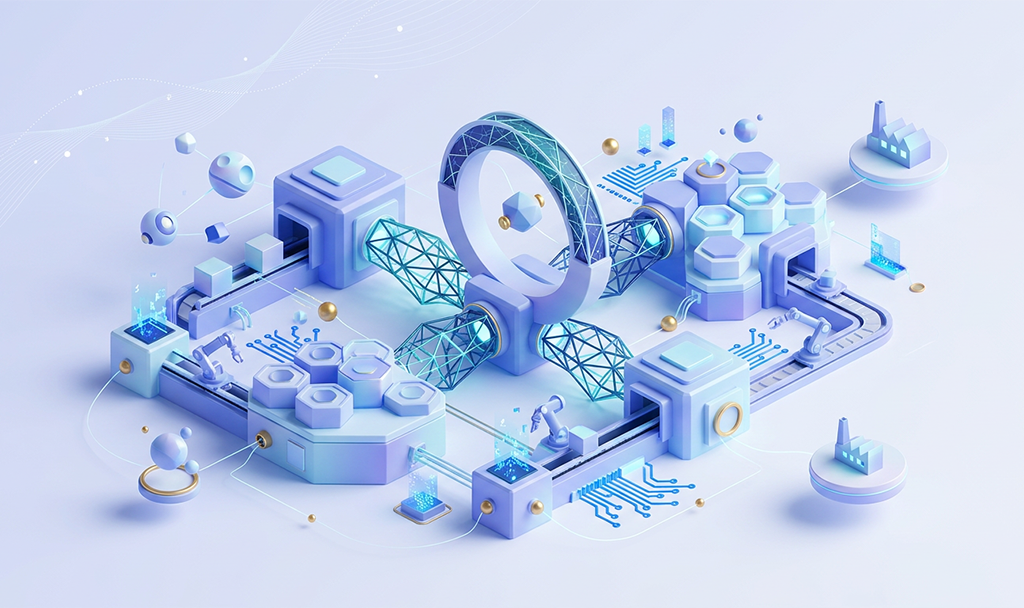
An AI SDLC treats software delivery as a system of autonomous agents operating within governance guardrails.
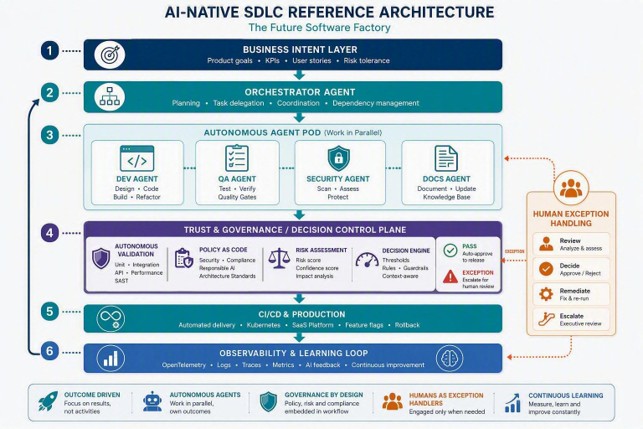
Critical distinction: humans are no longer part of every workflow step. Humans become exception handlers.
A Practical SaaS Development Example
Consider a SaaS product team implementing enterprise Multi-Factor Authentication (MFA) integration. A traditional serial process can take weeks. An AI-native SDLC turns it into a governed, parallel workflow.
| Traditional Activity | Primary Owner | AI-Native Step | Agent / Owner | Key Output | Human Gate |
|---|---|---|---|---|---|
| Create requirements | Product Manager | Intent capture | Product Manager | Epic, success metrics, constraints | Approve business intent |
| Review architecture | Architect | Agentic planning | Planning Agent | Design, schema, APIs, security requirements, acceptance criteria | When confidence is below threshold |
| Write code and documents | Developer | Implementation | Development + Docs Agents | Code, tests, API docs, runbooks, release notes | Validate critical logic and architecture |
| Test and verify | QA / Security / Compliance | Autonomous testing | QA + Security Agents | Functional, regression, API, load and security evidence | Approve exceptions and business scenarios |
| Deploy | Release team | Risk-based release | Decision engine | Production deployment and evidence trail | Required for high-risk changes |
AI-Native Delivery in Practice
Success Criteria
| Success Metric | Target |
|---|---|
| Security | Zero critical vulnerabilities |
| Performance | Authentication latency below 150 ms |
| Compliance | SOC 2 compliant |
| Reliability | 99.99% availability |
| Quality | 90%+ automated test coverage |
Autonomous Agent Pod
| Agent | Primary Outcome |
|---|---|
| Development Agent | Application code, APIs, database changes |
| QA Agent | Unit, integration, regression, API, and performance testing |
| Security Agent | Vulnerability analysis, SBOM generation, policy validation |
| Documentation Agent | Runbooks, release notes, knowledge articles, API documentation |
Rather than waiting for handoffs, these agents continuously collaborate and validate one another’s output throughout delivery.
AI-Native Release Pipeline
The delivery pipeline becomes a continuous decision engine rather than a sequence of manual approvals.
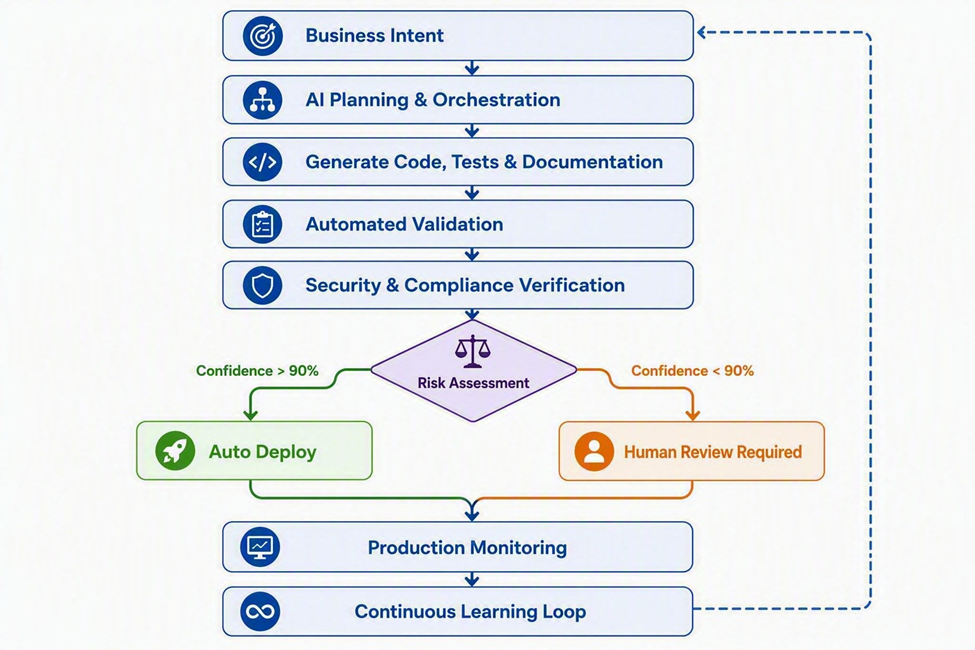
The goal is not to eliminate human oversight. Human attention should focus on judgment, risk assessment, and business decisions.
Governance by Design
Every change must pass three independent validation layers:
| QUALITY VALIDATION | SECURITY VALIDATION | POLICY VALIDATION |
|---|---|---|
|
|
|
No agent validates its own output.
This separation of duties mirrors enterprise security and compliance practices while enabling significantly faster delivery.
Risk-based deployment
Not every change requires the same level of scrutiny.
| Risk Level | Example Changes | Deployment Model |
|---|---|---|
| Low | UI updates, content changes | Automatic deployment |
| Medium | Business logic modifications | Peer review required |
| High | Authentication, payments, compliance controls | Mandatory human approval |
Observability for Agentic Software Delivery
Organizations must monitor both the application and the agents operating the delivery system.
| Monitoring Layer | Signals to Capture | Example Platforms |
|---|---|---|
| Application | Latency; availability; error rates; infrastructure health | OpenTelemetry, Prometheus, Grafana, Datadog, Azure Monitor |
| Agent | Decisions; tool usage; prompt chains; execution paths; confidence scores; escalations | Agent trace store and governance dashboard |
Agent decision record
| Field | Example |
|---|---|
| agent | SecurityAgent |
| decision | BLOCK_RELEASE |
| reason | Critical Vulnerability |
| confidence | 0.96 |
| timestamp | 2026-09-03 |
This record gives leaders forensic traceability into autonomous decisions.
Failure Handling Patterns
Enterprise agent systems require predictable recovery mechanisms, not ad hoc retries.
| Pattern | Trigger | Automated Response | Human Involvement |
|---|---|---|---|
| Human-in-the-loop escalation | Confidence below 70%; conflicting requirements; regulatory ambiguity; architectural uncertainty | Stop gracefully and route the exception | Resolve ambiguity and approve next action |
| Agent circuit breaker | Error rate above 5% or repeated failures | Disable agent and switch to human workflow | Diagnose and restore service |
| Rollback agent | Customer errors, API failures, or authentication issues exceed limits | Rollback, create incident, trigger root-cause analysis | Review incident and corrective action |
| Canary / Shadow Deployment | Pre-release controlled exposure | Route 5%, monitor; 25%, monitor; then 100% | Intervene on breached thresholds |
Controlled exposure path
The Future Software Factory
The most advanced software organizations will look less like engineering teams and more like orchestrated agent ecosystems.
Humans Will Define
|
Autonomous Agents Will Execute
|
The competitive advantage will not come from who has the best coding assistant.
It will come from who designs the most effective system of autonomous execution, embedded governance, policy-driven security, and continuous observability.
The future AI SDLC is not simply DevOps with copilots. It is a software factory where outcomes are owned by autonomous agents; governance is encoded in policies, security is continuously enforced, and humans focus only on decisions that truly require judgment.
Ready to adopt the future software factory?
Celestial Systems helps enterprises identify high-impact opportunities, integrate AI into existing environments, and deliver measurable outcomes with governance built in.
Contact Us